


Over 80 percent of businesses use some form of affiliate marketing today, thanks to its unique ability to deliver measurable results without large upfront investments. For businesses in Sweden, this model can open doors to new markets and more efficient revenue streams, while keeping costs down. Here you will learn how affiliate marketing works, which players are involved and what you should consider to succeed in a rapidly changing digital landscape.
Table of contents
- Affiliate marketing – definition and basics
- Different types of affiliate programs and players
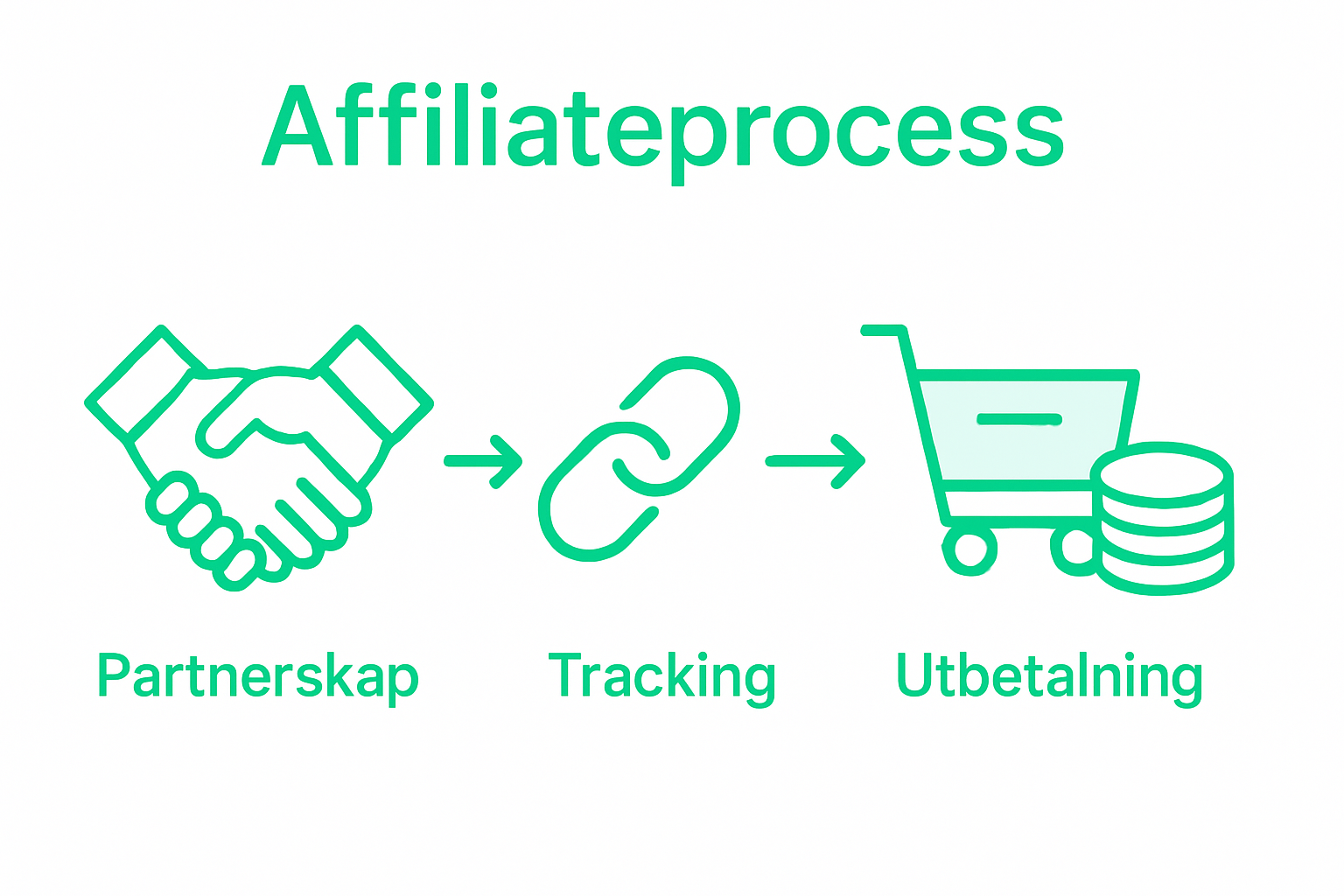
- How tracking and reimbursement models work
- Legal and requirements for Swedish companies
- Common pitfalls and how to avoid them
Key insights
| Point | Details |
|---|---|
| Affiliate marketing definition | A performance-based model where companies pay external marketing only for actual results. |
| Key players | Includes advertisers, affiliates, consumers and affiliate networks to create successful partnerships. |
| Types of affiliate programs | Varies between pay-per-sale, pay-per-click and pay-per-lead, giving companies flexibility and the opportunity to tailor their strategies. |
| Legal aspects for Swedish companies | It is important to follow rules regarding data protection and transparency, including GDPR and clear reporting of affiliate relationships. |
Affiliate marketing – definition and basics
Affiliate marketing is a performance-based marketing model where companies pay external partners for each customer or visitor generated through the partners' marketing efforts. This dynamic strategy is about creating win-win relationships between brands and marketers who can spread the message effectively.
The core concept is based on affiliate partners promoting products or services through unique links and receiving commissions based on actual results. Unlike traditional advertising, companies only pay when an actual transaction is completed – making the model extremely cost-effective. Digital marketing strategies has made this model even more powerful and measurable.
The main components of affiliate marketing include:
- Advertiser/Merchant: The company that owns the product
- Affiliate/Publisher: The marketer who spreads the message
- Consumer: The ultimate goal of sales
- Affiliate network: The platform that coordinates transactions
For small businesses and entrepreneurs, affiliate marketing offers an opportunity to expand their reach without significant upfront marketing costs. By creating strategic partnerships, companies can leverage the network and credibility of external marketers to generate sales and build brand awareness.
Different types of affiliate programs and players
Affiliate program vary in structure and compensation models, giving companies the flexibility to create tailored marketing strategies. The most common types include pay-per-sale, pay-per-click and pay per lead programs, with each model offering unique benefits for both advertisers and affiliate partners.
IN programmatic advertising landscape There are different types of actors that play critical roles. The main actors include:
- Merchant/Advertiser: Original product owner
- Affiliate/Publisher: Marketing partner
- Affiliate network: Middleman who coordinates transactions
- Consumers: End goal for marketing efforts
The pay-per-sale model is the most common, where affiliates receive a percentage of the sales value. Pay-per-click programs compensate partners based on traffic generated, while pay-per-lead focuses on the quality of potential customer leads. Each model requires careful strategy for maximum effectiveness and profitability.

For small and medium-sized businesses, these diversified affiliate programs offer opportunities to expand reach cost-effectively. By choosing the right program type and partners, businesses can create powerful marketing ecosystems that generate revenue and build brand awareness without significant upfront investment.
How tracking and reimbursement models work
Tracking In affiliate marketing, tracking is essential to ensure accurate compensation and measure the effectiveness of marketing efforts. Modern tracking systems use unique tracking links, cookies, and advanced algorithms to follow each customer referral from initial contact to final transaction.
IN the development of digital tracking technologies privacy issues have become increasingly central. The main tracking methods include:
- Cookie-based tracking: Traditional method that places small data files on the user's device
- URL parameter tracking: Includes unique identifiers in URLs
- Server-to-server tracking: More robust method that reduces the risk of tracking loss
- Fingerprint-based tracking: Analyzes device and browser configurations
Compensation models vary by affiliate program, but the most common include commission based on sales (percentage or flat rate), compensation per click, and compensation per lead. Each model has specific advantages: sales-based commission provides direct revenue, click compensation generates traffic, and lead-based compensation focuses on potential customer referrals.
For small and medium-sized businesses, choosing the right tracking system and compensation model that balances transparency, performance, and cost-effectiveness is crucial. Modern affiliate marketing platforms offer increasingly sophisticated tools that enable detailed tracking, real-time reporting, and customizable compensation structures that help businesses optimize their marketing efforts.
Legal and requirements for Swedish companies
Legal aspects in affiliate marketing is crucial for Swedish companies to understand and comply with. The regulations cover several critical areas such as transparency, data protection and marketing legislation, which place specific requirements on how affiliate programs should be implemented and managed.
Regarding digital marketing and compliance Swedish companies must particularly focus on:
- Personal data management: GDPR compliance
- Information obligation: Clear reporting of affiliate relationships
- Consent: Obtaining user consent
- Data transfer: Secure and legal handling of personal data
The legal requirements include ensuring full transparency around compensation models, clearly reporting affiliate relationships, and implementing systems that protect consumer privacy. Every affiliate agreement should include clear terms on the division of responsibilities, commission calculation, and ethical marketing principles.
For small and medium-sized Swedish businesses, it is crucial to consult legal expertise to navigate the complex regulatory framework. Modern affiliate marketing strategies require a balanced approach that combines business interests with strict compliance with Swedish and European legal frameworks for digital marketing.
Common pitfalls and how to avoid them
Affiliate marketing has several potential pitfalls that can undermine a program's success and profitability. Small and medium-sized businesses need to be aware of the most common risks to create effective and sustainable marketing strategies.
According to affiliate selection surveys One of the biggest pitfalls is not choosing the right affiliate partners. The main risks include:
- Incorrect audience matching: Working with affiliates that don't reach the right audience
- Low content quality: Inadequate or unreliable marketing messages
- Lack of transparency: Unclear commission terms and reporting processes
- Excessive expectations: Unrealistic goals for affiliate programs
To avoid these risks, careful due diligence is required when selecting affiliate partners. Companies should analyze potential partners’ audience demographics, content quality, past performance, and industry relevance. Transparent agreements, clear commission structures, and ongoing communication are crucial to successful partnerships.
Successful affiliate marketing programs require continuous evaluation and optimization. By proactively identifying and addressing potential pitfalls, companies can build strong, long-term partnerships that generate real value for both the brand and affiliate partners.
Maximize profitability with the right digital solutions
Affiliate marketing offers a powerful opportunity for businesses to grow, but it requires the right strategies and technical support to be truly successful. Challenges like proper tracking, choosing the right affiliate partners, and legal compliance can feel overwhelming. You need a partner who understands both the complexities of marketing and digital tools – someone who can help you implement cost-effective and transparent systems that drive both traffic and conversions.
With our services at iMarketing.se you get tailored web and marketing solutions that strengthen your affiliate programs through
- Professional web optimization for improved user experience
- Tracking and analytics tools that ensure fair compensation
- Comprehensive digital marketing for increased visibility and lead generation
We want to be your long-term partner in digital business development and help you navigate the entire affiliate process in a profitable way.
Take the plunge now and let us help your business grow with winning affiliate marketing. Visit iMarketing.se and discover how we can turn your digital challenges into profitable opportunities.
common questions and answers
What is affiliate marketing?
Affiliate marketing is a performance-based marketing model where companies pay affiliates to generate sales or leads through their marketing efforts.
How does tracking work in affiliate marketing?
Affiliate marketing tracking uses unique tracking links and cookies to follow customer referrals from initial contact to completed sale, ensuring accurate compensation.
What different types of affiliate programs are there?
The most common types of affiliate programs include pay-per-sale, pay-per-click, and pay-per-lead, with each model offering different benefits depending on goals and strategy.
What should companies consider when choosing affiliate partners?
Businesses should carefully consider the potential of affiliates that match their target audience, the quality of the content they produce, and past performance in the industry.
Recommendation
- top advertising tools for google ads – Expert comparison 2025 – iMarketing
- iMarketing helps Vendo Sales sell the sales job to salespeople – iMarketing
- Facebook advertising benefits – iMarketing
- The Role of Content Marketing: Complete Guide – iMarketing
- Digital Marketing Affiliate Scheme – Bamsh Easy Income & Trust
- Pursuitz – Lead generation vs. paid ads


 EN
EN  SE
SE